
test-blood-sugar-more-than-they-need-to-722x406
CategoriesBlog,  Health & Wellness

The Importance of Self-Monitoring Blood Glucose

Managing diabetes can feel like a full-time job, but it’s one that millions of people handle every day with dedication and care. One of the most important tools in managing diabetes is self-monitoring blood glucose (SMBG). Regularly checking your blood glucose levels allows you to make informed decisions about your diet, exercise, and medication, ultimately helping you maintain control over your health.

In this blog, we’ll explore the importance of self-monitoring blood glucose, how it benefits your diabetes management, and why consistency is key. Plus, we’ll explain how Nilson Pharmacy offers the tools and medications needed to help you take charge of your blood sugar levels.


What Is Self-Monitoring Blood Glucose?

Self-monitoring blood glucose (SMBG) involves using a glucometer or continuous glucose monitor (CGM) to measure the levels of glucose in your blood. This practice is especially crucial for people with diabetes, as it provides real-time insights into how your body is managing blood sugar levels.

SMBG allows individuals to:

  • Track their blood glucose throughout the day.
  • Identify patterns or fluctuations caused by meals, physical activity, stress, or medication.
  • Adjust their lifestyle or medication in response to high or low readings.

Why Is Self-Monitoring Blood Glucose Important?

Keeping blood glucose levels within a target range is essential for preventing both short-term complications, such as hypoglycemia (low blood sugar) or hyperglycemia (high blood sugar), and long-term complications like heart disease, kidney failure, and nerve damage. Here’s why self-monitoring blood glucose is so important:

1. Improved Diabetes Control

Regular monitoring helps you understand how your body responds to different foods, activities, and medications. By tracking your blood sugar, you can better control spikes and dips, ensuring more stable levels throughout the day.

  • Key Takeaway: Monitoring allows for real-time adjustments in your daily routine to better control diabetes.

2. Prevention of Complications

Frequent monitoring can help you prevent dangerous blood sugar fluctuations that might otherwise go unnoticed. Low blood sugar (hypoglycemia) can cause symptoms such as dizziness, confusion, and fainting, while high blood sugar (hyperglycemia) can lead to long-term complications like vision loss and nerve damage.

  • Key Takeaway: Early detection of abnormal blood glucose levels allows you to take immediate corrective action, reducing the risk of complications.

3. Personalized Treatment Adjustments

By self-monitoring, you and your healthcare provider can make informed decisions about medication, diet, and exercise adjustments. SMBG allows you to see how your body responds to insulin or oral medications and ensures you are on the correct treatment plan.

  • Key Takeaway: With consistent data from self-monitoring, your doctor can tailor your treatment more effectively.

4. Increased Awareness and Control

Regular blood sugar checks can help you feel more in control of your diabetes management. Instead of relying solely on periodic lab tests, SMBG gives you daily insight into your condition, empowering you to make proactive changes to your routine.

  • Key Takeaway: Taking charge of your monitoring routine can lead to better long-term health outcomes.

How Often Should You Monitor Your Blood Glucose?

How often you should check your blood sugar depends on the type of diabetes you have, your treatment plan, and your doctor’s recommendations. Typically:

  • Type 1 Diabetes: You may need to test multiple times a day, especially if you are taking insulin.
  • Type 2 Diabetes: Testing frequency can vary based on whether you’re on insulin, oral medication, or lifestyle management. Your doctor will advise you on how often to test.
  • During Illness or Stress: During periods of illness, stress, or changes in medication or diet, you may need to monitor your blood sugar more frequently.

It’s important to follow the testing schedule recommended by your healthcare provider to ensure optimal control of your blood glucose levels.


Best Practices for Self-Monitoring Blood Glucose

To get the most out of self-monitoring, follow these simple best practices:

  1. Use a Reliable Glucometer or CGM: Ensure your device is accurate and maintained. Change lancets regularly, and clean the meter as instructed by the manufacturer.
  2. Record Your Results: Keep a log of your readings, noting the time of day, meals, and activities. Many meters have memory storage or mobile apps to track your readings automatically.
  3. Test at the Right Times: Test before and after meals, during physical activity, and when you feel symptoms of high or low blood sugar. Following a consistent schedule provides a clear picture of your glucose control.
  4. Use Your Results to Make Adjustments: Work with your doctor to interpret the data and adjust your medication, diet, or activity levels as needed.

How Nilson Pharmacy Can Help You Manage Your Glucose Levels

At Nilson Pharmacy, we understand the importance of self-monitoring blood glucose in managing diabetes. That’s why we offer a full range of glucose monitoring devices, test strips, and medications to help you stay on top of your health.

Whether you need a reliable glucometer or continuous glucose monitor, we have the tools you need for accurate, real-time blood sugar tracking. Additionally, our pharmacy provides insulin and oral medications for diabetes management, along with professional advice to help you get the most out of your treatment.

  • Need a glucose monitor? Visit any of our branches or explore our range of diabetes care products online.
  • Need help managing your prescriptions? Our pharmacists are here to offer guidance and answer any questions about your medication.

Your health is our priority, and we are committed to helping you take control of your diabetes management with the right tools and medication.


Conclusion

Self-monitoring blood glucose is a powerful tool for managing diabetes. By regularly checking your blood sugar, you gain greater control over your health, reduce the risk of complications, and make informed adjustments to your daily routine.

At Nilson Pharmacy, we provide everything you need to support your diabetes care. From glucometers to medications, we’re here to help you every step of the way. Visit us today to find the products and guidance you need to take control of your blood glucose levels and live a healthier life.
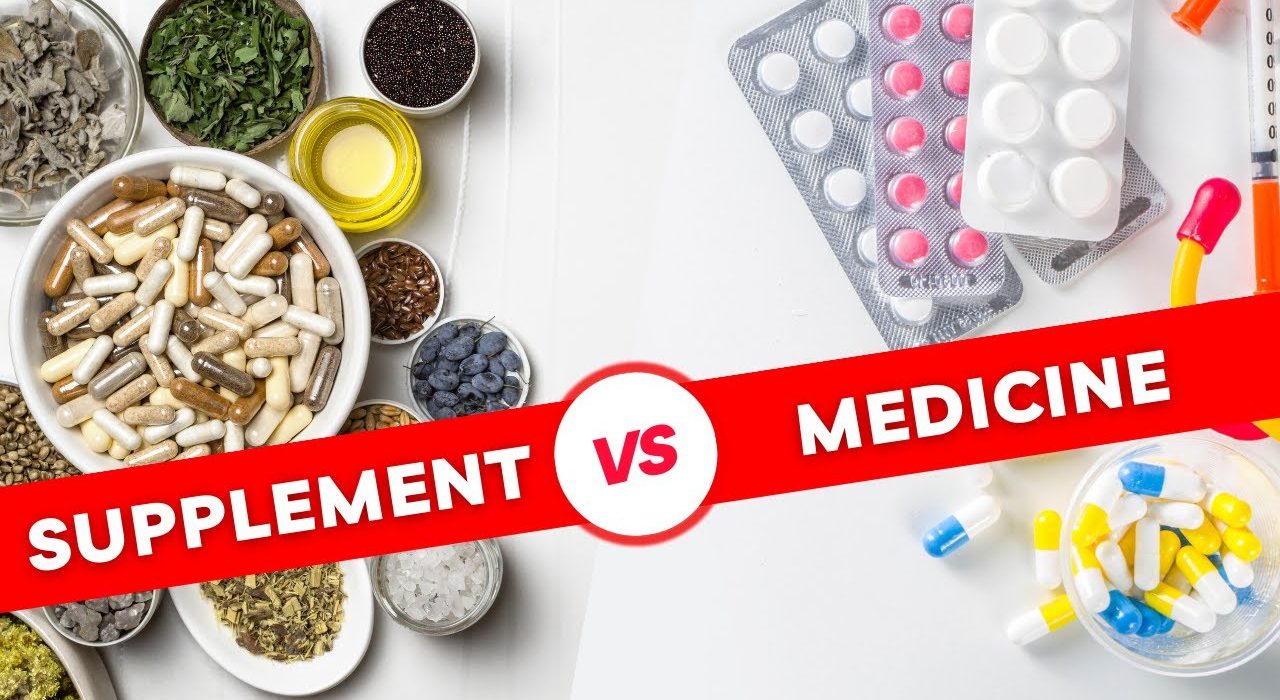
Supplements vs. Prescription Medicine
CategoriesBlog,  Prescription Medicine,  Supplements

Supplements vs. Prescription Medicine: Key Differences

Understanding the core differences between supplements and prescription medicine will help you make better decisions about when and how to use them.

1. Regulation and Approval

Prescription medicines are heavily regulated and must go through extensive clinical trials before being approved for public use. This process ensures they are safe, effective, and consistent in quality.

Supplements, on the other hand, are not subjected to the same level of scrutiny. In many countries, including the U.S., supplements do not require FDA approval before hitting the shelves. This means that the quality, dosage, and effectiveness of supplements can vary greatly between brands.

  • Key Takeaway: Prescription medicine is more tightly regulated and tested, offering greater assurance of its effectiveness for specific conditions.

2. Intended Use

Supplements are generally used to support overall health or to fill nutritional gaps in your diet. They are not designed to cure or treat illnesses, though they may play a supporting role in maintaining wellness.

Prescription medicines, however, are formulated to treat, cure, or manage specific medical conditions. They are designed to address underlying health issues, such as high blood pressure, diabetes, or bacterial infections, and often require medical supervision.

  • Key Takeaway: Prescription medications treat specific health conditions, while supplements are intended for general health support.

3. Effectiveness

Prescription medicines are proven to be effective through scientific research and clinical trials. When taken as directed, these medications are expected to deliver a specific therapeutic benefit, such as lowering cholesterol or managing pain.

The effectiveness of supplements, however, can vary. While some supplements, like Vitamin D for bone health or omega-3s for heart health, have been studied and found to offer benefits, others lack sufficient scientific evidence to support their use.

  • Key Takeaway: Prescription medicines have well-documented efficacy, while the effectiveness of supplements may be less certain.

4. Potential Risks

Both supplements and prescription medications carry risks, but the nature of these risks can be different. Prescription medications can cause side effects, interact with other medications, or lead to dependency in some cases. That’s why it’s crucial to take them under the guidance of a healthcare provider.

Supplements may also cause side effects or interact with medications, especially when taken in large doses. Since supplements are not as strictly regulated, there’s also a risk of contamination or mislabeling, making it important to choose high-quality, reputable brands.

  • Key Takeaway: Both supplements and prescription medications carry risks, but prescription medicine is typically monitored more closely by healthcare professionals.

When Should You Use Supplements?

Supplements can be a helpful addition to your daily routine when used correctly. Here are some scenarios where supplements may be appropriate:

  1. Nutritional Deficiencies: If you’re deficient in a specific nutrient, such as iron, Vitamin D, or calcium, a supplement can help you meet your body’s needs.
  2. General Health Support: Supplements like multivitamins or probiotics can support overall wellness, especially if you have dietary restrictions that limit your intake of certain nutrients.
  3. Specific Health Goals: Some supplements, such as omega-3 fatty acids for heart health or glucosamine for joint health, may offer targeted benefits.

Always consult a healthcare provider before adding a new supplement to your routine, especially if you’re taking prescription medicine.


When Should You Use Prescription Medicine?

Prescription medicine should be used when a healthcare provider identifies a specific health condition that requires medical treatment. Here are some situations where prescription medicine is essential:

  1. Chronic Conditions: Managing long-term health issues like high blood pressure, diabetes, or heart disease often requires prescription medication.
  2. Acute Illnesses: Infections, severe pain, or conditions like pneumonia or bronchitis typically need prescription drugs to resolve effectively.
  3. Mental Health: Conditions such as depression, anxiety, and bipolar disorder often require prescription medication as part of a broader treatment plan.
  4. Post-Surgery or Injury Recovery: Pain management and infection control after surgery or injury often depend on prescription medication.

Can You Use Supplements and Prescription Medicine Together?

It’s not uncommon for people to use both supplements and prescription medicine. However, this combination should always be approached with caution. Supplements can sometimes interact with prescription medications, altering their effectiveness or causing side effects.

For example:

  • Vitamin K supplements can interfere with blood thinners.
  • St. John’s Wort, an herbal supplement, can reduce the effectiveness of antidepressants and birth control pills.

If you are taking prescription medication, always consult your healthcare provider before adding any supplements to your routine. Your doctor or pharmacist can help you identify potential interactions and ensure that the combination is safe.


Conclusion: Finding the Right Balance for Your Health

When it comes to your health, both supplements and prescription medicine have a role to play. Prescription medications are essential for treating and managing specific health conditions, while supplements can help fill nutritional gaps and support overall wellness. However, it’s important to approach both with care.

Always use prescription medications exactly as directed by your healthcare provider, and be cautious when introducing new supplements into your routine. And most importantly, consult with your doctor or pharmacist to ensure you’re making the best choices for your health.

By understanding the differences between supplements and prescription medicine, you can take control of your health journey with confidence. Stay informed, stay safe, and prioritize your well-being with thoughtful and responsible healthcare decisions.


Need guidance on your supplements or prescription medicine? Visit Nilson Pharmacy for expert advice and quality products that support your health.

Managing Chronic Conditions with Prescription Medicine and Lifestyle Changes
CategoriesBlog,  Health & Wellness

Managing Chronic Conditions with Prescription Medicine and Lifestyle Changes

Living with a chronic condition can feel overwhelming, but it doesn’t have to define your life. With the right approach, it’s possible to manage symptoms, improve your quality of life, and even slow the progression of certain conditions. Combining prescription medicine with healthy lifestyle changes is one of the most effective strategies for managing chronic conditions such as diabetes, hypertension, arthritis, and heart disease. This blog will explore how these two elements work together to help you live a healthier, fuller life.

Understanding Chronic Conditions

Chronic conditions are long-term health issues that typically persist for a year or more and require ongoing medical attention. They can affect various aspects of daily life, from physical activity to emotional well-being. Common chronic conditions include diabetes, heart disease, hypertension, arthritis, and chronic obstructive pulmonary disease (COPD).

While chronic conditions cannot always be cured, they can often be managed effectively. The goal is to control symptoms, prevent complications, and maintain the best possible quality of life.

The Role of Prescription Medicine

Prescription medicine plays a crucial role in managing chronic conditions. Medications can help control symptoms, slow disease progression, prevent complications, and improve your overall quality of life. Here’s how they can make a difference:

  1. Managing Symptoms:
    Prescription medicines help control symptoms, making it easier to carry out daily activities. For example, pain relievers can reduce arthritis pain, while inhalers can improve breathing for those with asthma or COPD.
  2. Controlling the Disease:
    Many medications help manage the underlying cause of a chronic condition. For instance, insulin helps regulate blood sugar levels in people with diabetes, while beta-blockers can lower blood pressure in those with hypertension.
  3. Preventing Complications:
    Regular use of prescription medicine can prevent complications and reduce the risk of severe outcomes. For example, blood thinners may help prevent strokes in people with heart disease, while statins can reduce cholesterol levels and the risk of heart attacks.
  4. Improving Quality of Life:
    By effectively managing symptoms and reducing the risk of complications, prescription medicine can improve your overall quality of life, allowing you to live more comfortably and actively.

The Importance of Lifestyle Changes

While prescription medicine is essential for managing chronic conditions, lifestyle changes play an equally vital role. Healthy habits can complement your medication regimen, reduce the need for additional treatments, and improve your overall health. Here are some lifestyle changes that can help manage chronic conditions:

  1. Adopting a Healthy Diet: A balanced diet rich in fruits, vegetables, whole grains, lean proteins, and healthy fats can significantly impact your health. For instance, a heart-healthy diet can help lower blood pressure and cholesterol levels, while a low-carb diet may help manage blood sugar levels in people with diabetes. Reducing salt, sugar, and processed foods can also help manage weight and prevent complications.
  2. Staying Physically Active: Regular physical activity is one of the most effective lifestyle changes for managing chronic conditions. Exercise can help lower blood pressure, improve heart health, manage weight, reduce joint pain, and enhance overall mood. Aim for at least 150 minutes of moderate-intensity exercise per week, such as walking, cycling, or swimming, and incorporate strength training exercises to build muscle and maintain bone health.
  3. Managing Stress: Chronic stress can worsen many chronic conditions, such as hypertension and heart disease. Techniques like meditation, deep breathing exercises, yoga, or mindfulness can help reduce stress levels. Maintaining a strong social support network and engaging in activities you enjoy can also improve emotional well-being.
  4. Getting Enough Sleep: Quality sleep is crucial for managing chronic conditions. Poor sleep can affect hormone levels, blood pressure, and inflammation, worsening symptoms and disease progression. Aim for 7-9 hours of sleep per night and establish a consistent sleep routine by going to bed and waking up at the same time each day.
  5. Quitting Smoking and Limiting Alcohol: Smoking and excessive alcohol consumption can worsen many chronic conditions and interfere with the effectiveness of prescription medicine. Quitting smoking and limiting alcohol can improve lung function, reduce blood pressure, and decrease the risk of complications.

Combining Prescription Medicine and Lifestyle Changes

When it comes to managing chronic conditions, prescription medicine and lifestyle changes work best together. Here’s how they complement each other:

  1. Enhanced Effectiveness:
    Lifestyle changes can enhance the effectiveness of prescription medicines. For example, eating a low-sodium diet can help blood pressure medications work better, while regular exercise can improve blood sugar control for those on diabetes medications.
  2. Reduced Medication Dependency:
    Adopting healthy habits can sometimes reduce the need for higher doses of medication or additional treatments. For example, losing weight may help lower the dosage of blood pressure medications, and quitting smoking can reduce the need for asthma or COPD medications.
  3. Lower Risk of Side Effects:
    Healthy lifestyle choices can help minimize the side effects of prescription medicines. Staying hydrated, eating a balanced diet, and getting regular exercise can help your body metabolize medications more effectively.
  4. Improved Overall Health:
    Combining medication with lifestyle changes helps manage the specific chronic condition and improves overall health. You’ll feel more energetic, sleep better, and have a better mood, all of which contribute to a better quality of life.

Tips for Integrating Prescription Medicine and Lifestyle Changes

  1. Work Closely with Your Healthcare Provider:
    Always consult your healthcare provider before making any changes to your medication or lifestyle. They can help tailor a plan that fits your needs and monitor your progress.
  2. Set Realistic Goals:
    Start with small, achievable goals that are easier to incorporate into your daily routine. Gradually build on these habits to create sustainable long-term changes.
  3. Stay Consistent:
    Consistency is key to managing chronic conditions. Stick to your prescribed medication schedule and maintain your healthy lifestyle habits daily for the best results.
  4. Monitor Your Health:
    Keep track of your symptoms, medication side effects, and lifestyle changes. Regular monitoring helps you and your healthcare provider make necessary adjustments to your plan.

Conclusion

Managing chronic conditions involves more than just taking prescription medicine. By incorporating healthy lifestyle changes such as a balanced diet, regular exercise, stress management, and good sleep habits, you can effectively manage your condition, reduce complications, and improve your overall quality of life. Remember, it’s about finding the right balance and working closely with your healthcare team to develop a personalized plan that works best for you.

At Nilson Pharmaceuticals, we are committed to supporting your journey with expert advice and quality products to help you manage chronic conditions effectively. Reach out to us today to learn more about how we can help you live a healthier, happier life.

boost-immunity-naturally
CategoriesBlog,  Health & Wellness

Daily Habits That Boost Your Immune System Naturally

Your immune system is your body’s first line of defense against infections and illnesses. A strong immune system doesn’t just happen overnight; it requires consistent effort and healthy habits. Fortunately, there are simple daily practices that can help you boost your immune naturally. By incorporating these habits into your routine, you can strengthen your immune system and improve your overall health.

1. Eat a Balanced Diet

A balanced diet is one of the most effective ways to boost your immune naturally. Focus on a variety of nutrient-rich foods, including fruits, vegetables, whole grains, lean proteins, and healthy fats. Vitamins and minerals like vitamin C, vitamin D, zinc, and antioxidants are crucial for immune function.

  • Fruits and Vegetables: Aim for a rainbow of colors on your plate, such as berries, citrus fruits, leafy greens, and bell peppers. These foods are packed with vitamins and antioxidants that help boost your immune system.
  • Healthy Fats: Include sources of healthy fats like avocados, nuts, seeds, and olive oil. Omega-3 fatty acids found in fish like salmon also have anti-inflammatory properties that support immune health.
  • Probiotics: Foods like yogurt, kefir, and sauerkraut contain probiotics, which are beneficial bacteria that boost your immune naturally by supporting gut health.

2. Stay Hydrated

Water plays a crucial role in your body, including supporting your immune system. Staying hydrated helps your body flush out toxins, supports the production of lymph (which carries white blood cells and other immune system cells), and keeps your mucous membranes moist, which acts as a barrier to infections.

Aim for at least 8 cups of water a day, and adjust according to your activity level and climate. Herbal teas and water-rich foods like cucumbers and watermelon can also help keep you hydrated.

3. Get Enough Sleep

Sleep is a critical component of immune health. During sleep, your body repairs itself, produces immune cells, and releases proteins called cytokines, which help fight infection and inflammation. Consistently getting 7-9 hours of quality sleep can help boost your immune naturally.

To improve your sleep habits:

  • Stick to a consistent sleep schedule, even on weekends.
  • Create a relaxing bedtime routine, such as reading or taking a warm bath.
  • Limit screen time before bed, as blue light can disrupt your sleep cycle.

4. Exercise Regularly

Regular exercise is a fantastic way to boost your immune system naturally. Physical activity helps increase blood flow, reduce inflammation, and strengthen antibodies, which can help your body fight off infections.

You don’t need to overdo it; moderate-intensity activities like walking, cycling, or swimming for at least 30 minutes a day can make a big difference. Consistency is key, so find activities you enjoy and make them part of your daily routine.

5. Manage Stress

Chronic stress can weaken your immune system, making you more susceptible to illnesses. Finding effective ways to manage stress is crucial for immune health. Techniques like meditation, deep breathing exercises, yoga, or even spending time in nature can help reduce stress levels and boost your immune naturally.

Making time for hobbies, staying connected with loved ones, and practicing mindfulness can also help you stay relaxed and support your immune function.

6. Practice Good Hygiene

Good hygiene is a simple yet powerful way to protect your immune system. Regular handwashing with soap and water, especially before eating or touching your face, can prevent the spread of germs. Keeping your living spaces clean and avoiding close contact with sick individuals are also important habits to maintain.

7. Get Fresh Air and Sunshine

Spending time outdoors and getting exposure to sunlight is a great way to boost your immune naturally. Sunlight helps your body produce vitamin D, which is essential for immune health. Aim for at least 15-30 minutes of sunlight exposure a day, depending on your skin type and climate. Fresh air and natural surroundings can also reduce stress and improve your mood, which further supports immune function.

Conclusion

Boosting your immune system naturally doesn’t require drastic changes; it’s about making small, consistent choices that add up over time. By eating a balanced diet, staying hydrated, getting enough sleep, exercising regularly, managing stress, practicing good hygiene, and spending time outdoors, you can strengthen your immune system and enhance your overall well-being.

Remember, a strong immune system is your best defense against illness, and incorporating these daily habits into your routine can help you boost your immune naturally. At Nilson Pharmaceuticals, we’re committed to supporting your health with expert advice and quality products to keep you on the path to wellness.

prescription medicine
CategoriesBlog,  Prescription Medicine

Prescription Medicine Safety: Tips for Proper Usage and Storage

Prescription medicine plays a vital role in managing health conditions, but it’s essential to use and store it correctly to ensure effectiveness and safety. Whether you’re managing a chronic illness or taking a short-term course of medication, understanding the proper usage of prescription medicine is key. Here are some practical tips to help you use and store your medications safely.

Understanding Prescription Medicine

Prescription medicine is specifically prescribed by a healthcare provider to treat a particular condition. Unlike over-the-counter medications, prescription medicine requires a doctor’s approval because it’s tailored to your specific health needs. Proper usage of prescription medicine is crucial for it to work effectively and avoid potential side effects or complications.

Tips for the Proper Usage of Prescription Medicine

1. Follow the Doctor’s Instructions

One of the most important tips for using prescription medicine safely is to follow your doctor’s instructions to the letter. This means taking the right dosage at the correct times, whether with food or on an empty stomach. Skipping doses or not completing the full course can reduce the medicine’s effectiveness and even lead to resistance in the case of antibiotics.

2. Understand the Side Effects

Every prescription medicine comes with potential side effects. Make sure to ask your healthcare provider or pharmacist about these and what to do if you experience any. Knowing what to expect helps you respond quickly to any adverse reactions.

3. Avoid Mixing Medications

Mixing prescription medicine with other medications, supplements, or even certain foods can lead to dangerous interactions. Always inform your doctor about any other medicines you are taking, including over-the-counter drugs and herbal supplements, to avoid any harmful combinations.

4. Use the Correct Dosage

Taking too much or too little of your prescription medicine can have serious consequences. Use the correct measuring device provided, such as a syringe or dosage cup, rather than estimating or using household utensils.

5. Don’t Share Medications

Prescription medicine is specifically prescribed for you, considering your health condition, weight, and other factors. Sharing your medication with others or taking someone else’s prescription can be harmful, as it may not be suitable for their condition or could cause adverse effects.

Tips for Proper Storage of Prescription Medicine

1. Store in a Cool, Dry Place

Heat, light, and moisture can affect the potency of prescription medicine. Most medications should be stored in a cool, dry place away from direct sunlight. A bathroom cabinet is usually not the best place due to humidity, so consider storing your medications in a bedroom drawer or a dedicated medicine cabinet.

2. Keep Out of Reach of Children and Pets

To prevent accidental ingestion, always store prescription medicine out of reach of children and pets. Consider using a locked cabinet or a high shelf to ensure safety.

3. Follow Specific Storage Instructions

Some prescription medicines require special storage conditions, such as refrigeration. Be sure to read the label or ask your pharmacist about any specific storage instructions to keep your medicine effective.

4. Check Expiration Dates

Expired prescription medicine can lose its effectiveness and may even become harmful. Regularly check the expiration dates on your medications and dispose of any that are outdated. If you’re unsure how to dispose of them properly, ask your pharmacist for guidance.

5. Keep Medications in Their Original Containers

Prescription medicine should always be kept in its original container with the label intact. The label contains important information, including the dosage instructions, the name of the medication, and the expiration date. This also helps prevent mix-ups between different medications.

Conclusion

Proper usage and storage of prescription medicine are essential to ensure your treatment is safe and effective. By following these tips, you can protect yourself and your loved ones from potential risks. Always consult your healthcare provider or pharmacist if you have any questions or concerns about your medications. Your health and safety are the top priority, and taking these simple steps can make a big difference in your well-being.

Remember, at Nilson Pharmaceuticals, we’re here to support you with expert advice on the proper usage of prescription medicine and tips on how to store them safely. Your health is our commitment, and we’re dedicated to helping you manage your medications responsibly.

Combining prescription medicine with a balanced diet
CategoriesHealth & Wellness,  Prescription Medicine

The Benefits of Combining Prescription Medicine with a Balanced Diet

When it comes to managing your health, both prescription medicine and a balanced diet play crucial roles. While prescription medicine is designed to treat specific health conditions, a balanced diet supports overall well-being and enhances the effectiveness of your medications. Understanding how these two elements work together can empower you to take better control of your health.

Why a Balanced Diet Matters

A balanced diet provides your body with the nutrients it needs to function optimally. It includes a variety of foods, ensuring you get the right mix of vitamins, minerals, proteins, fats, and carbohydrates. Eating a balanced diet helps maintain a healthy weight, boosts energy levels, and reduces the risk of chronic diseases like heart disease, diabetes, and obesity.

But did you know that a balanced diet can also influence how well your prescription medicine works? The foods you eat can either enhance or hinder the effectiveness of your medications, making it essential to pay attention to your diet when managing health conditions.

How Prescription Medicine and a Balanced Diet Work Together

1. Enhancing Absorption of Medication

Certain foods can help your body absorb prescription medicine more effectively. For example, some medications need to be taken with food to reduce stomach irritation and enhance absorption. A balanced diet that includes the right foods can ensure that your medication is absorbed properly, allowing it to work as intended.

2. Reducing Side Effects

A balanced diet can also help minimize the side effects of prescription medicine. For instance, medications like antibiotics or pain relievers can sometimes cause stomach upset or digestive issues. Including fiber-rich foods, such as fruits, vegetables, and whole grains, in your diet can help ease these side effects and keep your digestive system healthy.

3. Supporting Overall Health

While prescription medicine treats specific conditions, a balanced diet supports your overall health. This holistic approach can lead to better outcomes in managing chronic conditions like hypertension, diabetes, and high cholesterol. By combining prescription medicine with a balanced diet, you give your body the best chance to heal and thrive.

4. Boosting the Immune System

Many prescription medications can weaken the immune system, making you more susceptible to infections. A balanced diet rich in vitamins and minerals, particularly vitamins C and E, zinc, and selenium, can help strengthen your immune system. This added support can help you fight off illnesses while you’re on medication.

5. Managing Weight

Weight management is often a key component of treating and preventing chronic diseases. Prescription medicine can sometimes cause weight gain or loss as a side effect. A balanced diet can help counteract these effects, keeping your weight in a healthy range and improving the effectiveness of your treatment plan.

Tips for Combining Prescription Medicine with a Balanced Diet

  • Consult Your Healthcare Provider: Always talk to your doctor or pharmacist about how your diet might interact with your prescription medicine. They can provide guidance on which foods to include or avoid.
  • Read Medication Labels: Some prescription medications come with specific dietary instructions. Make sure to read the labels and follow any dietary recommendations to ensure optimal effectiveness.
  • Stay Hydrated: Drinking plenty of water is important when taking prescription medicine. Hydration helps your body process and absorb medications more effectively.
  • Maintain a Consistent Eating Schedule: Taking your prescription medicine at the same time each day, in conjunction with meals, can help maintain consistent levels of medication in your body.

Conclusion

Combining prescription medicine with a balanced diet is a powerful way to support your health and well-being. While medication addresses specific health concerns, a balanced diet provides the necessary nutrients to enhance the effectiveness of your treatment and support your overall health. By paying attention to what you eat, you can maximize the benefits of your prescription medicine and enjoy a healthier, more balanced life.

Remember, at Nilson Pharmaceuticals, we’re here to support you every step of the way. Whether you need advice on your prescription medicine or tips for maintaining a balanced diet, our experts are always ready to help.

7-ways-to-develop-healthy-habits
CategoriesHealth & Wellness

7 Healthy Habits for Long-Term Wellbeing

Developing healthy habits is essential for achieving long-term wellbeing. By integrating simple yet effective practices into your daily routine, you can enhance your health and enjoy a happier, more fulfilling life. This blog post will guide you through steps to cultivate habits that promote overall wellbeing.

1. Start with Small Changes

Embarking on a journey toward better health doesn’t require drastic changes overnight. Begin with small, manageable steps that you can consistently integrate into your daily life.

  • Set Realistic Goals: Break down your larger health goals into smaller, achievable tasks. For example, if you aim to exercise regularly, start with a 10-minute walk each day and gradually increase the duration.
  • Track Your Progress: Keeping a journal or using a mobile app can help you monitor your progress and stay motivated.

2. Prioritize Nutrition

A balanced diet is a cornerstone of good health. Making mindful food choices can significantly impact your physical and mental wellbeing.

  • Eat a Variety of Foods: Ensure your diet includes fruits, vegetables, whole grains, lean proteins, and healthy fats. This variety provides essential nutrients for optimal health.
  • Stay Hydrated: Drink plenty of water throughout the day to maintain hydration, which is crucial for bodily functions and overall health.

3. Incorporate Regular Exercise

Physical activity is vital for maintaining a healthy body and mind. Regular exercise can improve cardiovascular health, strengthen muscles, and boost mental wellbeing.

  • Find Activities You Enjoy: Whether it’s dancing, swimming, or hiking, choose exercises that you find enjoyable to ensure you stay motivated.
  • Schedule Workouts: Treat exercise as an important appointment. Consistency is key to developing a long-term habit.

4. Get Adequate Sleep

Quality sleep is essential for overall health and wellbeing. It allows your body to repair and recharge, improving both physical and mental health.

  • Establish a Sleep Routine: Go to bed and wake up at the same time every day, even on weekends.
  • Create a Relaxing Environment: Make your bedroom a calming space free from distractions like electronics.

5. Manage Stress Effectively

Chronic stress can negatively impact your health and wellbeing. Developing effective stress management techniques is crucial for long-term health.

  • Practice Mindfulness: Techniques like meditation, deep breathing, and yoga can help you stay present and reduce stress.
  • Stay Connected: Maintaining strong social connections with family and friends can provide emotional support and reduce stress levels.

6. Avoid Harmful Habits

Avoiding harmful behaviors is just as important as developing healthy ones. Steering clear of activities that negatively affect your health is crucial for long-term wellbeing.

  • Limit Alcohol and Avoid Smoking: Excessive alcohol consumption and smoking can lead to serious health issues. Reducing or eliminating these habits can significantly improve your health.
  • Practice Safe Habits: Use sunscreen to protect your skin, wear seatbelts while driving, and follow safety guidelines to prevent injuries.

7. Seek Professional Guidance

Sometimes, developing healthy habits requires professional support. Don’t hesitate to seek advice from healthcare providers.

  • Regular Check-ups: Schedule regular visits to your healthcare provider to monitor your health and address any concerns early on.
  • Consult a Nutritionist or Trainer: If you need personalized advice on diet or exercise, consider consulting a specialist.

Conclusion

Developing healthy habits is a continuous process that requires commitment and consistency. By starting with small changes, prioritizing nutrition, incorporating regular exercise, getting adequate sleep, managing stress, avoiding harmful habits, and seeking professional guidance, you can enhance your health and wellbeing over the long term. Remember, the journey to a healthier life is unique to each individual, so be patient with yourself and celebrate your progress along the way.

For more tips on maintaining health and wellbeing, visit Nilson Pharmaceuticals. Let’s embrace a healthier lifestyle together!

Boost-Your-Immune-System-Naturally
CategoriesBlog,  Health & Wellness

Daily Habits That Boost Your Immune System Naturally

A strong immune system is your body’s defense against illnesses and infections. While a healthy lifestyle is vital, incorporating specific daily habits can naturally boost your immunity. In this blog post, we’ll explore simple yet effective practices to enhance your immune system and help you stay healthy.

1. Eat a Balanced Diet

Your diet plays a crucial role in maintaining a robust immune system. Consuming a variety of nutrient-rich foods provides your body with the essential vitamins and minerals needed for optimal immune function.

  • Fruits and Vegetables: Packed with antioxidants, vitamins, and minerals, they help strengthen your immune system. Focus on leafy greens, berries, citrus fruits, and bell peppers.
  • Lean Proteins: Sources like poultry, fish, beans, and nuts provide the amino acids necessary for producing immune cells.
  • Whole Grains: Rich in fiber and nutrients, whole grains support a healthy gut, which is vital for immune health.

2. Stay Hydrated

Proper hydration is essential for overall health, including a well-functioning immune system. Water helps in the production of lymph, which carries white blood cells and other immune system cells. Aim for at least 8 glasses of water a day, and consider herbal teas or infused water for added variety.

3. Get Regular Exercise

Physical activity doesn’t just keep you fit; it also boosts your immunity. Exercise improves circulation, allowing immune cells to move through your body more efficiently. Whether it’s a brisk walk, yoga, or a gym session, aim for at least 30 minutes of moderate exercise most days of the week.

4. Prioritize Sleep

Quality sleep is one of the best natural ways to enhance your immune system. During sleep, your body repairs and regenerates, producing immune cells like cytokines. Aim for 7-9 hours of restful sleep per night. Establishing a regular sleep schedule and creating a relaxing bedtime routine can help improve sleep quality.

5. Manage Stress

Chronic stress can weaken your immune system, making you more susceptible to illnesses. Incorporate stress-reducing activities into your daily routine, such as meditation, deep breathing exercises, or spending time in nature. Maintaining a positive mindset and practicing gratitude can also help manage stress levels.

6. Maintain Good Hygiene

Practicing good hygiene is a simple yet effective way to prevent infections and support your immune system. Wash your hands regularly, especially before eating or touching your face. Keep your living environment clean and sanitized, and avoid close contact with sick individuals.

7. Consider Natural Supplements

In addition to a healthy diet, natural supplements can support your immune system. Vitamin C, vitamin D, zinc, and probiotics are known to enhance immunity. However, it’s essential to consult with a healthcare professional before starting any supplement regimen.

8. Limit Alcohol and Avoid Smoking

Excessive alcohol consumption and smoking can impair your immune system. Limiting alcohol intake and avoiding smoking can improve your immune response and overall health.

9. Get Fresh Air and Sunshine

Spending time outdoors and getting sunlight exposure helps your body produce vitamin D, which is crucial for immune function. Aim for at least 15-20 minutes of sunlight exposure several times a week, preferably in the morning or late afternoon to avoid harmful UV rays.

Conclusion

Boosting your immune system naturally involves a combination of healthy lifestyle habits. By eating a balanced diet, staying hydrated, exercising regularly, getting enough sleep, managing stress, practicing good hygiene, considering natural supplements, limiting alcohol and smoking, and getting fresh air, you can support your body’s defense mechanisms. Remember, a strong immune system is built over time, so consistency is key. Start incorporating these daily habits into your routine and experience the benefits of a healthier, more resilient immune system.

For more health and wellness tips, visit Nilson Pharmaceuticals. Let’s make immunity a priority together!

nutrition-basics
CategoriesHealth & Wellness

Healthy Eating Tips: Nutrition Basics for a Better Life

Eating well is crucial for a healthy and fulfilling life. Good nutrition not only energizes your body but also helps prevent chronic diseases and enhances your overall well-being. At Nilson Pharmaceuticals, we are committed to promoting healthy lifestyles and providing you with the knowledge and resources to make informed dietary choices. Here are some essential tips to guide you toward better nutrition.

1. Embrace a Balanced Diet

A balanced diet is key to good nutrition, ensuring your body receives all the necessary nutrients to function properly. Here’s how to achieve a balanced diet:

Include a Variety of Foods

Incorporate a wide range of foods in your meals to ensure a diverse intake of nutrients:

  • Fruits and Vegetables: Rich in vitamins, minerals, and fiber. Aim to fill half your plate with fruits and vegetables at every meal.
  • Whole Grains: Opt for whole grains like brown rice, quinoa, and whole wheat bread instead of refined grains. These provide more fiber and nutrients.
  • Lean Proteins: Include sources of lean protein such as chicken, fish, beans, and legumes. Protein is essential for muscle repair and growth.
  • Dairy or Dairy Alternatives: Choose low-fat or fat-free options for calcium and vitamin D.

Control Portion Sizes

Controlling portion sizes is crucial to avoid overeating and maintaining a healthy weight. Use smaller plates and be mindful of your hunger and fullness cues.

Limit Added Sugars and Salt

Excessive sugar and salt can lead to health issues like obesity, heart disease, and hypertension. Read food labels to monitor your intake and choose products with lower amounts of added sugars and sodium.

2. Stay Hydrated

Water is vital for all bodily functions, including digestion, nutrient absorption, and temperature regulation. Here are tips to stay hydrated:

Drink Plenty of Water

Aim for at least 8 cups (64 ounces) of water per day. You may need more if you are physically active or live in a hot climate.

Limit Sugary Drinks

Beverages like soda, energy drinks, and sweetened coffees add unnecessary calories and sugar. Instead, choose water, herbal teas, or sparkling water with a splash of lemon or lime.

3. Practice Mindful Eating

Mindful eating means paying attention to what and how you eat, helping you enjoy food more and make healthier choices. Here’s how to practice mindful eating:

Eat Slowly

Savor each bite, which can help you recognize fullness and prevent overeating. This practice also improves digestion and enhances the eating experience.

Avoid Distractions

Avoid eating in front of the TV, computer, or while scrolling on your phone. Focus on your meal and the company around you.

Listen to Your Body

Pay attention to your hunger and fullness signals. Eat when you’re hungry and stop when you’re satisfied, not when you’re overly full.

Conclusion

Ready to take control of your health? Visit any of our branches to get expert advice and explore our wide range of health products and supplements. At Nilson Pharmaceuticals, we’re dedicated to helping you achieve a healthier, more vibrant life through better nutrition. By following these healthy eating tips and making mindful choices, you can significantly improve your well-being. Trust us to provide the guidance and resources you need on your journey to better nutrition and a better life.

supplements
CategoriesSupplements

The Role of Supplements in Enhancing Your Health

In today’s fast-paced world, maintaining optimal health is more important than ever. While a balanced diet is the cornerstone of good health, supplements can play a vital role in filling nutritional gaps and supporting overall well-being. At Nilson Pharmaceuticals, we understand the importance of supplements and are here to provide you with the best products and advice to enhance your health.

Why Supplements Matter

Supplements are designed to provide essential nutrients that may be lacking in your diet. They come in various forms, including vitamins, minerals, herbs, and amino acids, each serving a specific purpose in maintaining health. Here are some key reasons why incorporating supplements into your daily routine can be beneficial:

Nutrient Deficiency

Many people struggle to get all the necessary nutrients from food alone. Factors such as soil depletion, modern farming practices, and dietary restrictions can lead to deficiencies. Supplements can help bridge this gap, ensuring your body gets what it needs to function properly.

Improved Immune Function

Certain supplements, such as vitamin C, vitamin D, and zinc, are known to boost the immune system. A strong immune system is crucial for defending against infections and illnesses, keeping you healthy year-round.

Enhanced Mental Health

Supplements like omega-3 fatty acids, magnesium, and B vitamins have been linked to improved mental health. They can help reduce symptoms of anxiety and depression, promoting a positive mood and better overall mental well-being.

Better Bone Health

Calcium and vitamin D are essential for maintaining strong bones. These supplements are particularly important for older adults, who are at a higher risk of osteoporosis and bone fractures.

Increased Energy Levels

Feeling fatigued and low on energy? Supplements such as iron, B12, and CoQ10 can help boost your energy levels, keeping you active and productive throughout the day.

Choosing the Right Supplements

It’s important to choose high-quality supplements that are safe and effective. Here are some tips to help you make the best choices:

Consult with a Healthcare Professional: Before starting any supplement regimen, it’s crucial to speak with a healthcare provider. They can help determine which supplements are right for you based on your individual health needs and conditions.

Check for Quality: Look for supplements that have been tested for quality and purity. Reputable brands often have certifications from third-party organizations that verify their products’ quality.

Read Labels: Pay attention to the labels and ingredients list. Avoid supplements with unnecessary fillers, artificial colors, or additives.

Visit Nilson Pharmaceuticals for Expert Advice

At Nilson Pharmaceuticals, we offer a wide range of high-quality supplements to support your health. Our knowledgeable and friendly staff are always available to provide free medical advice and help you choose the right supplements for your needs. We are committed to ensuring you receive the best care and products to enhance your well-being.

Conclusion

Take the first step towards a healthier you! Visit any of our branches to explore our selection of top-quality supplements and receive personalized advice from our experienced team. At Nilson Pharmaceuticals, your health is our priority. Let us help you achieve your health goals with the right supplements and expert guidance.

By incorporating supplements into your daily routine, you can enhance your health and well-being. Trust Nilson Pharmaceuticals to provide you with the best products and advice to support your journey to optimal health.

Add to cart
Need Help? Chat with us